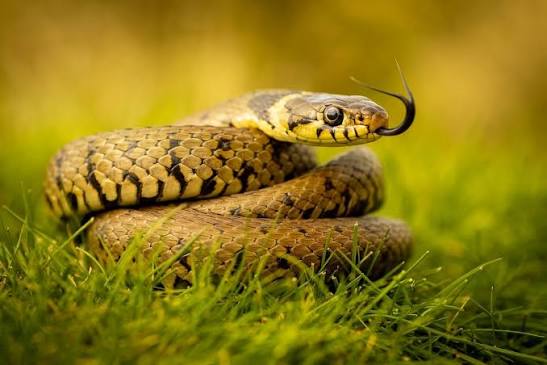
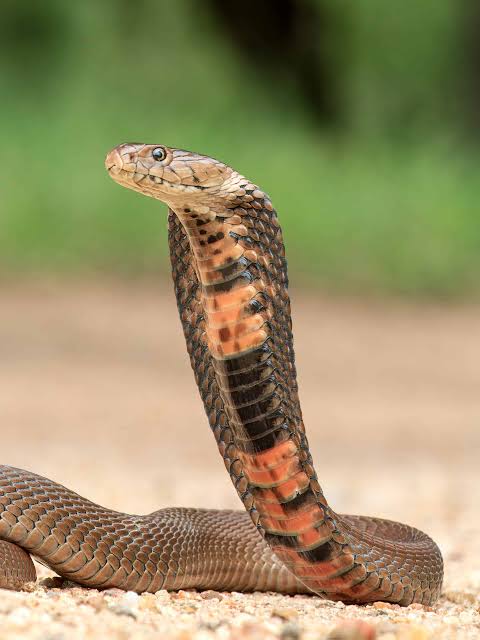
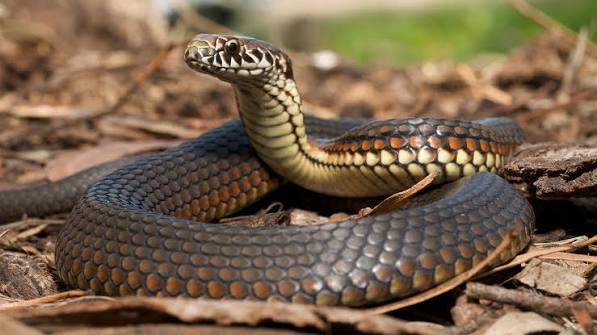
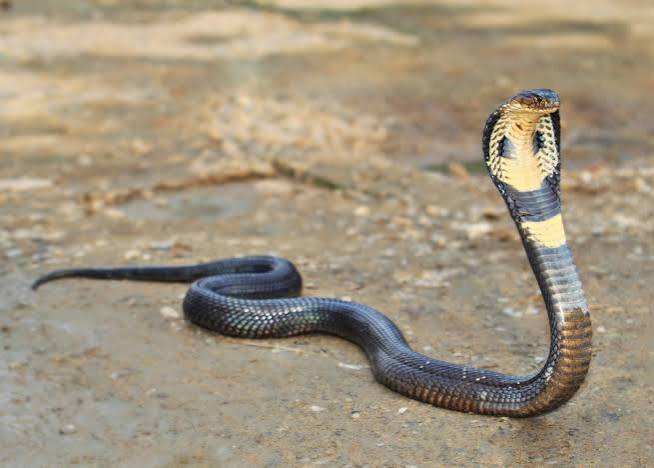
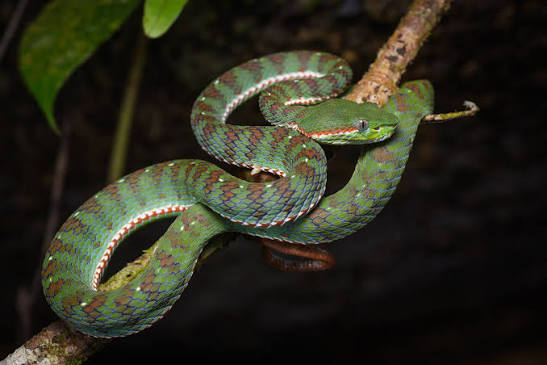
A snake is a long, legless reptile found in many parts of the world. There are thousands of snake species, ranging from harmless species to highly venomous ones.
Appearance
Long, narrow body covered with scales.
No legs, arms, or external ears.
A flexible jaw that allows many snakes to swallow prey much larger than their head.
Eyes covered by a transparent protective scale.
Most snakes have a forked tongue used to detect chemical scents in the environment.
Diet
Snakes are carnivores. Depending on the species, they may eat:
Mice and rats
Birds
Frogs
Lizards
Fish
Insects
Eggs
Other snakes
Habitat
Snakes live in a wide variety of environments, including:
Forests
Grasslands
Deserts
Wetlands
Rivers and lakes
Farms and gardens
Urban and suburban areas
Behavior
Most snakes prefer to avoid people and will retreat when given the opportunity. They may hide under rocks, vegetation, wood piles, or other sheltered areas. Some species are active during the day, while others are primarily nocturnal.
Reproduction
Depending on the species, snakes may:
Lay eggs.
Give birth to live young.
Produce eggs that hatch inside the mother's body.
Young snakes are generally independent shortly after birth or hatching.
Venomous vs. Nonvenomous
Some snakes are venomous and use venom to subdue prey or defend themselves. Others are nonvenomous and rely on methods such as constriction or simply swallowing their prey.
Interesting Facts
Snakes are found on every continent except Antarctica.
They regularly shed their skin as they grow.
Snakes use their tongues and a specialized organ called the Jacobson's organ to detect chemical information.
Some snakes can climb trees, swim, burrow, or glide through the air.
Snakes play an important role in ecosystems by controlling populations of rodents and other animals.