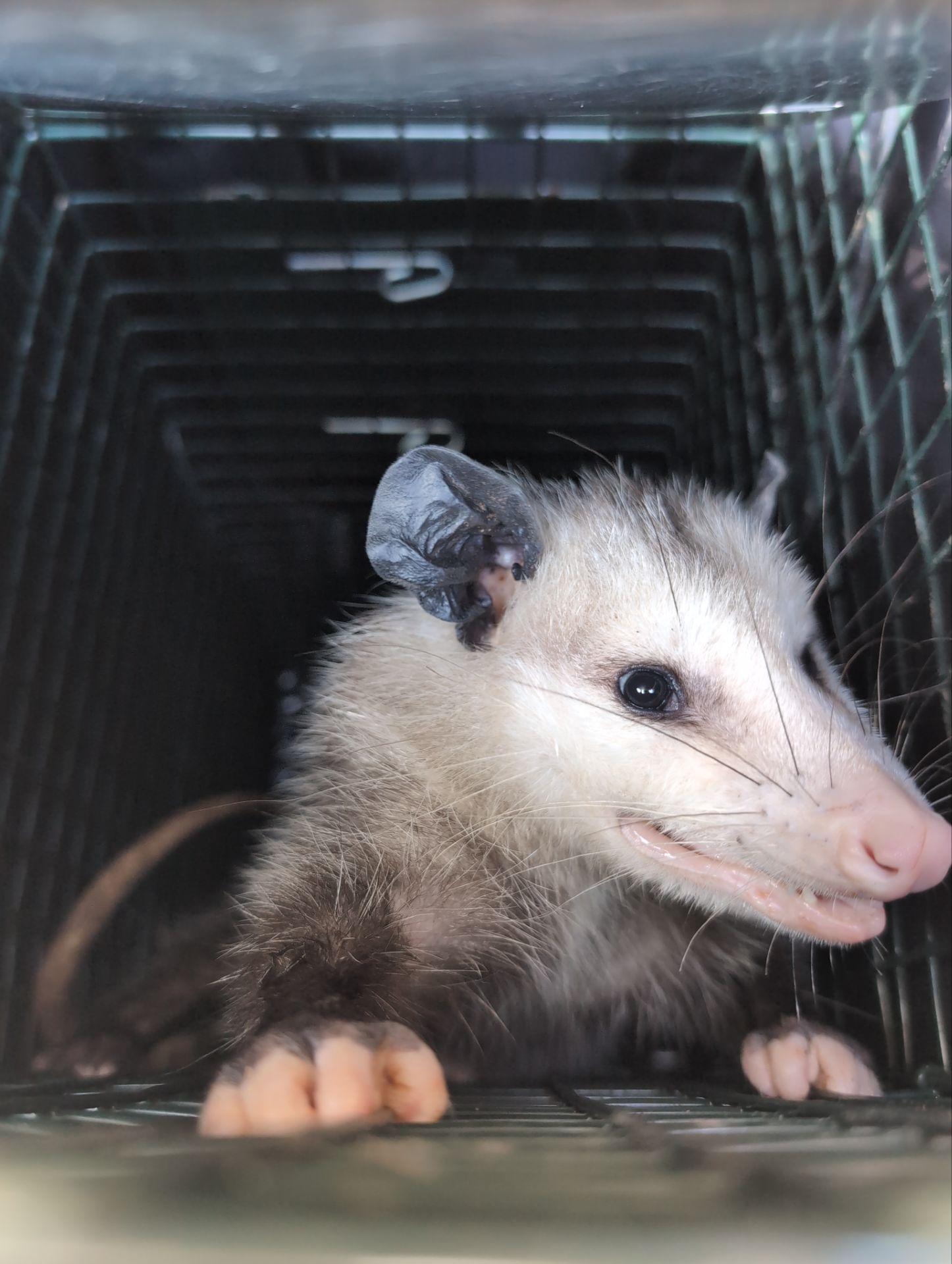
Understanding Opossums
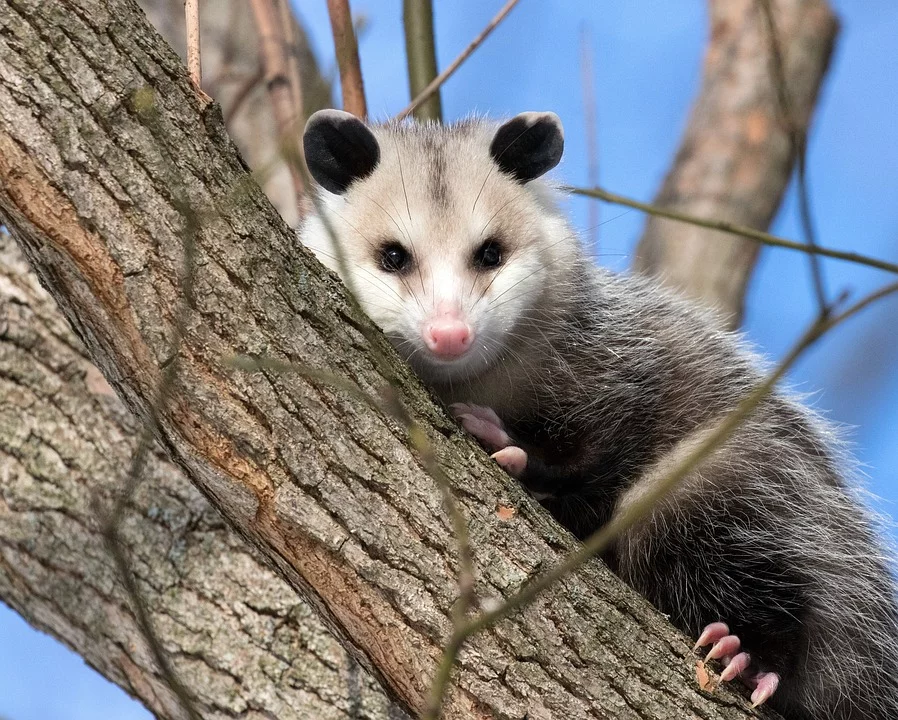
The Virginia opossum (Didelphis virginiana) is North America's only native marsupial — a fascinating and often misunderstood animal that has lived on this continent for millions of years. With their pale faces, hairless tails, and slow, shuffling gait, opossums are a common sight across North Texas neighborhoods, particularly in areas near wooded lots, creeks, or overgrown vegetation. While they are generally harmless and even ecologically beneficial, opossums become a nuisance when they take up residence beneath homes, sheds, or decks — and their presence can create sanitation concerns that warrant professional removal.
Biology & Reproduction
The opossum holds a remarkable distinction in the animal kingdom: it has the shortest gestation period of any North American mammal, carrying its young for only 11 to 13 days before birth. Opossums have two breeding seasons per year, with the first running from January through March and young arriving as early as March.
Because the gestation period is so brief, opossum young are born in an extremely undeveloped state — roughly the size of a honeybee at birth. Immediately after birth, the tiny joeys instinctively crawl through the mother's fur and into her marsupial pouch, where they attach to a nipple and continue developing for the next two to three months. Once large enough, the young begin riding on their mother's back as she forages, gradually becoming independent over time.
This reproductive cycle means that a female opossum encountered in spring is very likely either pregnant, carrying pouch young, or traveling with juveniles — all factors that influence how removal should be approached.
Behavior & Habitat
Opossums are nocturnal and nomadic by nature, rarely staying in one location for extended periods. They do not dig their own burrows but instead take advantage of existing shelter — settling beneath decks, sheds, crawlspaces, and porches where they find darkness, protection, and proximity to food sources. They are opportunistic omnivores, feeding on insects, fruits, small rodents, carrion, garbage, and pet food left outdoors.
As breeding season begins in late winter and early spring, opossum activity increases noticeably. Males roam significantly further in search of mates, leading to more frequent sightings in yards and roadways. Females carrying young become especially focused on finding secure, sheltered locations — making the dark, enclosed spaces beneath your home particularly attractive.
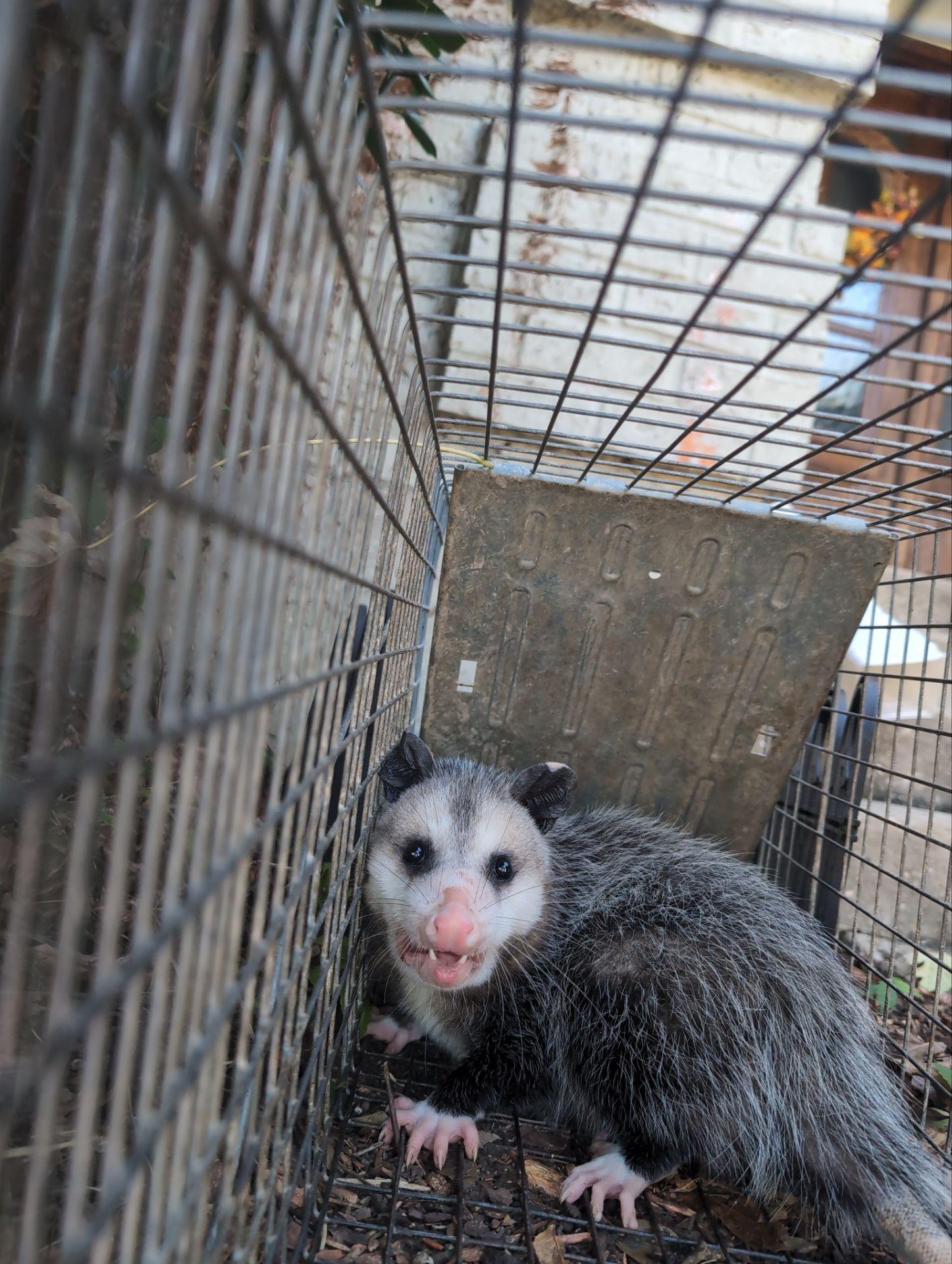
Despite their unsettling appearance when cornered, opossums are generally non-aggressive animals. When threatened, they may hiss, bare their teeth, or drool — but this is almost entirely defensive posturing. Their most well-known defense mechanism, "playing possum," is an involuntary physiological response to extreme stress in which the animal enters a catatonic state, mimicking death to deter predators.
An Ecological Note
Opossums play a quietly important role in local ecosystems that is worth understanding. They are voracious consumers of ticks — studies suggest a single opossum can consume thousands of ticks per season — and also help control populations of insects, small rodents, and carrion. They are largely immune to rabies due to their low body temperature, which makes it difficult for the virus to survive, making them one of the lower-risk wildlife species from a disease transmission standpoint.
That said, opossums can still carry fleas, lice, and other parasites, and their waste can create sanitation and odor issues when they den beneath a structure for extended periods. Their presence under a home is not something to ignore indefinitely.
Signs of Opossum Activity
Because opossums are nocturnal and tend to avoid confrontation, many homeowners are unaware of their presence until signs accumulate. Common indicators include:
Rustling or shuffling sounds beneath floors, decks, or porches at night
Strong, musky odor coming from beneath a structure
Overturned trash bins or scattered garbage in the yard
Pet food disappearing overnight
Tracks or droppings near the foundation or entry points
Direct sightings of an opossum — or a mother carrying young on her back
How Topper's Wildlife Removal Can Help
Opossums denning beneath your home may seem like a minor inconvenience, but over time their waste accumulates, parasites can spread to pets, and the odor can become significant. If a mother with young is involved, removal requires careful handling to ensure the situation is resolved humanely and completely.
At Topper's Wildlife Removal, we serve homeowners throughout Garland, TX and the greater Dallas area with professional, humane opossum removal:
Property Inspection — We identify where the opossum is sheltering, assess whether young are present, and locate all potential entry points beneath the structure.
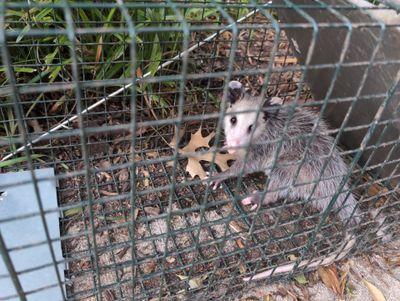
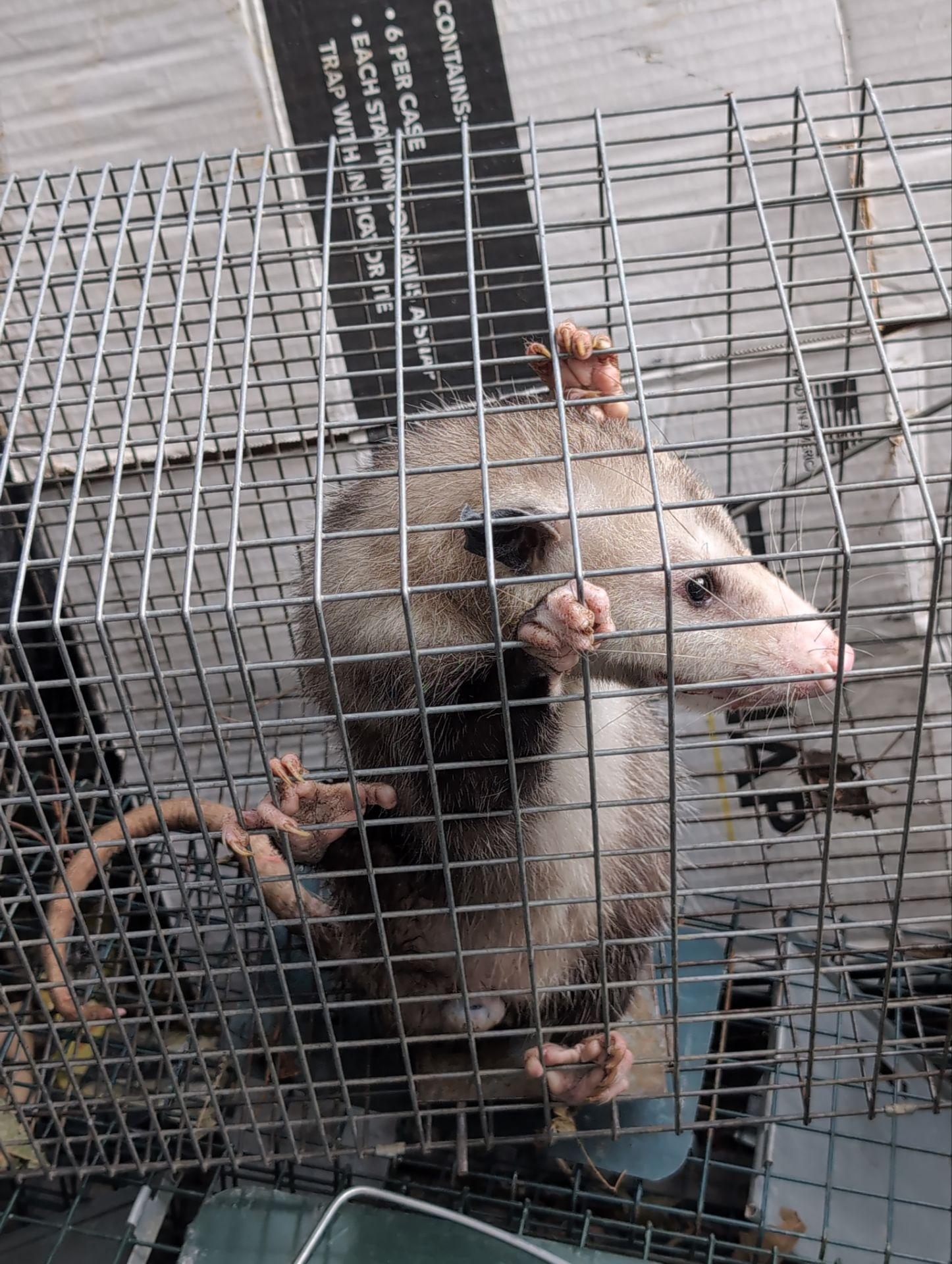
Humane Trapping & Removal — We use proven trapping methods suited to opossum behavior, with special care taken when a mother and young are involved.
Exclusion & Sealing — Once removed, we close off access points beneath decks, sheds, and foundations using durable materials to prevent new animals from moving in.
Sanitation Guidance — We assess any waste accumulation and advise on cleanup to eliminate odor and reduce parasite risk.
Prevention Recommendations — We provide practical advice on securing food sources, eliminating shelter opportunities, and protecting your property year-round.
Noticing shuffling sounds beneath your floors or an unfamiliar odor under your deck? Contact Topper's Wildlife Removal for professional opossum removal in Garland and the greater Dallas area — and get the problem resolved before it grows into something bigger.