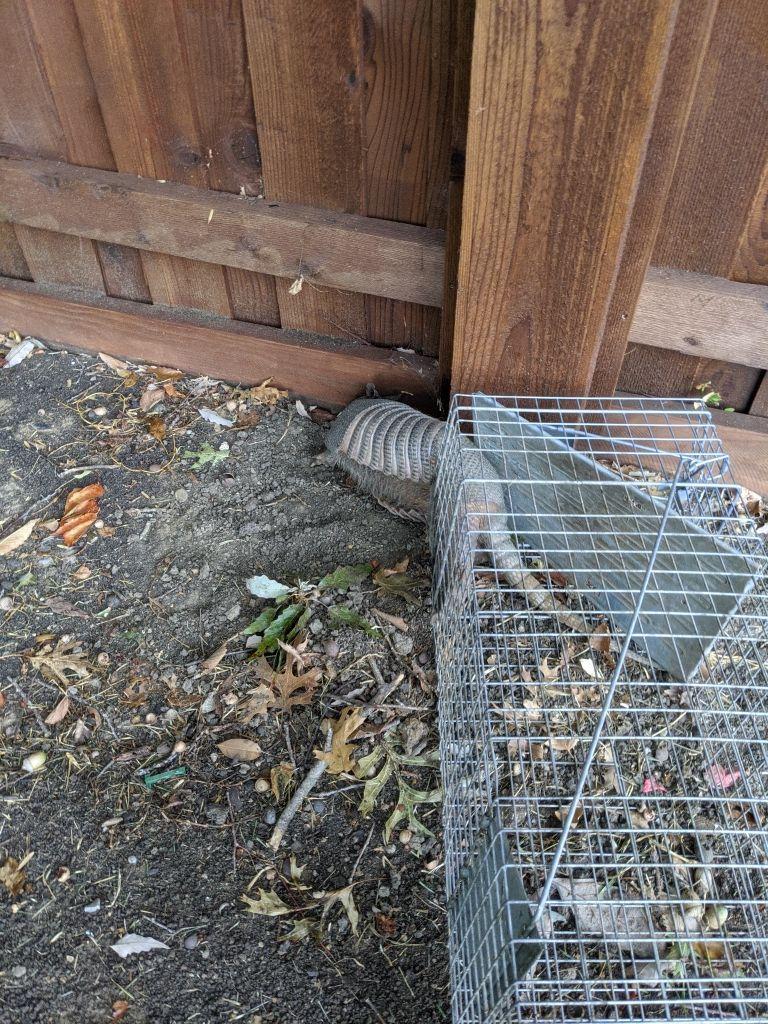
Understanding Armadillos
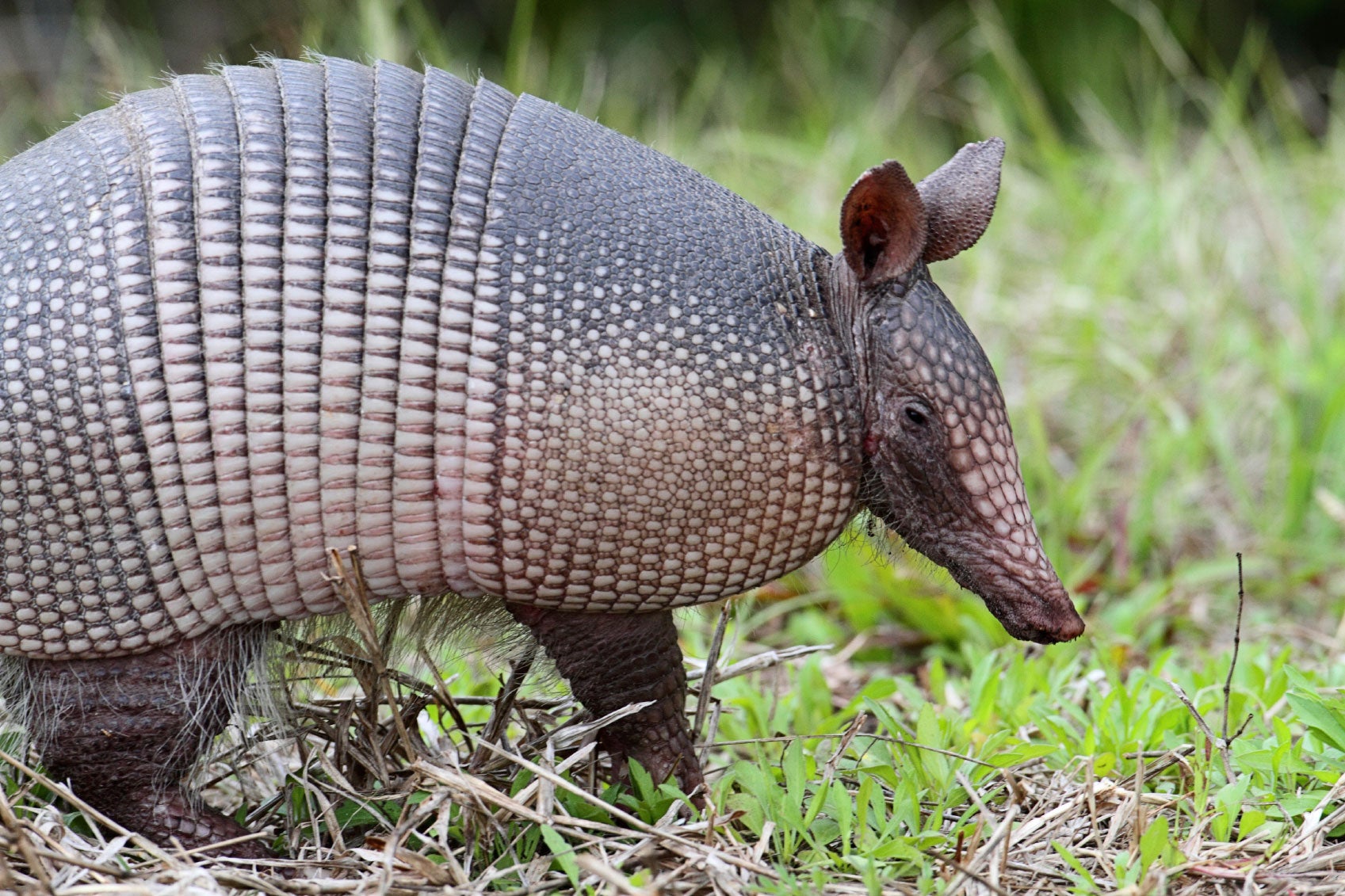
The nine-banded armadillo (Dasypus novemcinctus) is one of the most uniquely fascinating — and increasingly common — wildlife species found across North Texas. Named for the nine bands of tough, leathery armor that protect their midsection, armadillos are the only mammals in North America to carry this distinctive shell-like exterior. Despite their prehistoric appearance, they are highly adaptable animals that have steadily expanded their range northward over the past several decades, making them a regular presence in Dallas-area yards and neighborhoods.
Biology & Reproduction
One of the most remarkable facts about armadillos is their reproductive biology. Mating occurs in late summer, typically between July and August, but due to a rare biological process called delayed implantation, the fertilized egg doesn't begin developing immediately. Birth doesn't occur until March through April — months after mating took place.
Even more remarkable is their litter size: armadillos always give birth to exactly four identical quadruplets, produced from a single fertilized egg that splits into four. This means every litter is genetically identical. While this is one of nature's most fascinating quirks, it also means that a single armadillo on your property can become five in a matter of months.
Behavior & Habitat
Armadillos are strictly nocturnal, spending their days resting in burrows and emerging after sundown to forage. They have very poor eyesight and rely almost entirely on their strong sense of smell to locate food beneath the soil. Using their powerful claws, they dig rapidly into the ground in search of insects, grubs, beetles, and larvae — often covering surprisingly large distances in a single night.
They are strongly attracted to moist, loose soil, which makes it easier to dig and tends to harbor more insects. Properties with irrigated lawns, garden beds, or areas near water sources are particularly appealing. Armadillos commonly burrow beneath decks, AC units, foundations, and crawlspaces, where the ground is undisturbed and temperatures are stable.
Spring is the peak season for armadillo activity and lawn damage. As mothers emerge from winter with four young to feed, foraging intensifies — and so does the digging.
The Damage They Cause
While armadillos are not aggressive animals, the damage they leave behind can be significant:
Lawn & garden destruction — Their digging creates shallow, cone-shaped holes across yards, garden beds, and landscaping, often overnight.
Foundation & structural concerns — Burrowing near the base of a home, deck, or outbuilding can destabilize soil and cause long-term structural issues.
Damage to root systems — Repeated digging in the same area can uproot plants, damage irrigation lines, and kill grass.
Because armadillos are nocturnal, most homeowners never see the animal itself — they simply wake up to a yard full of fresh holes that seem to appear from nowhere.
A Note on Health
Armadillos hold a unique and important place in medical research history. They are one of the only known non-human animals capable of carrying leprosy (Hansen's disease), due in part to their unusually low body temperature, which allows the bacteria to thrive. While transmission to humans is considered rare, direct handling of wild armadillos is strongly discouraged. This is one of several reasons why professional removal is always the recommended approach.
How Topper's Wildlife Removal Can Help
If you're waking up to unexplained holes in your yard or noticing fresh digging near your foundation, acting quickly is important. Armadillo activity rarely resolves on its own — and with four young born each spring, a small problem can multiply fast.
At Topper's Wildlife Removal, we serve homeowners throughout Garland, TX and the greater Dallas area with humane, effective armadillo control:
Property Inspection — We identify active burrow sites, travel paths, and vulnerable entry points around your home.
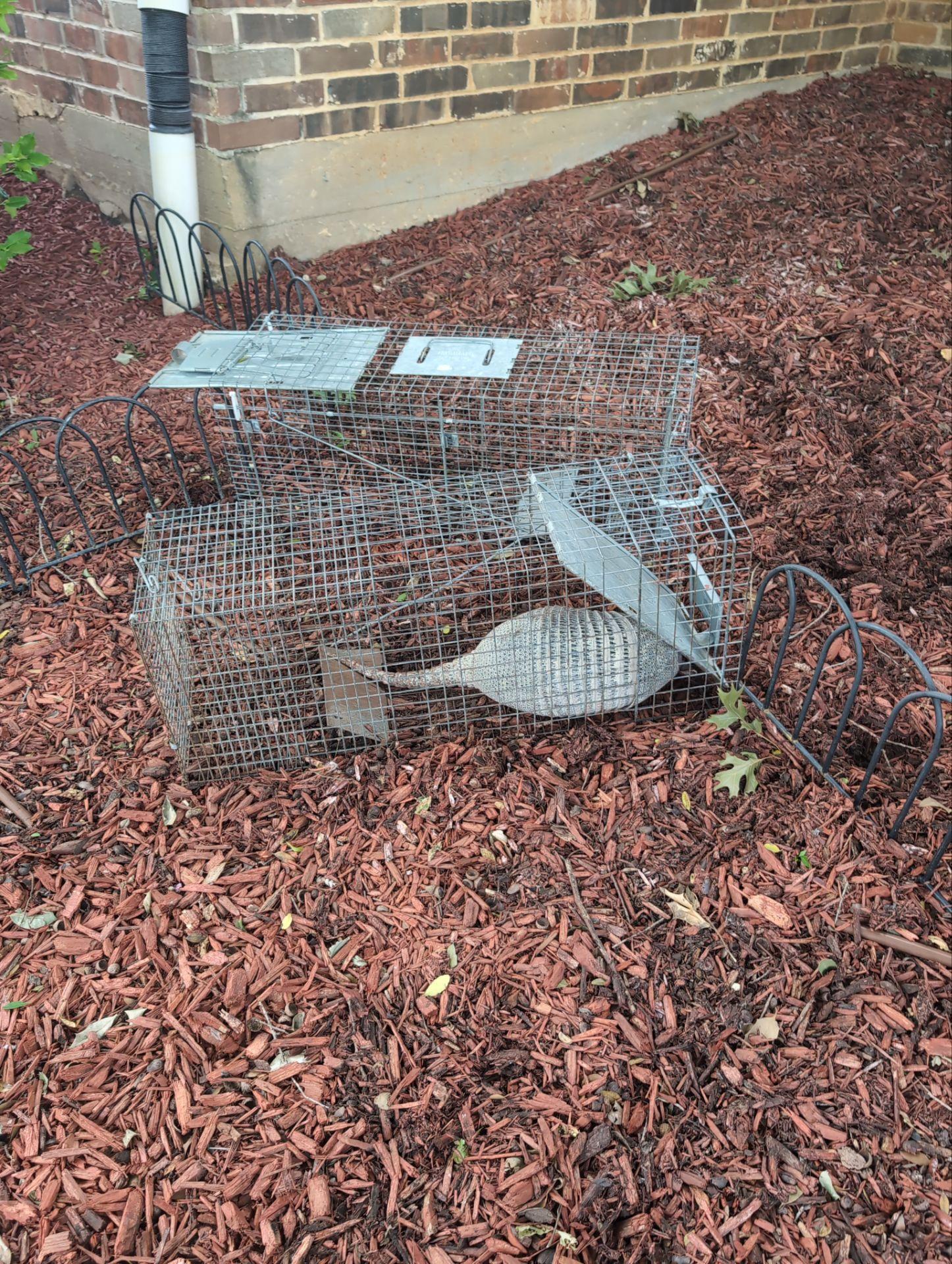
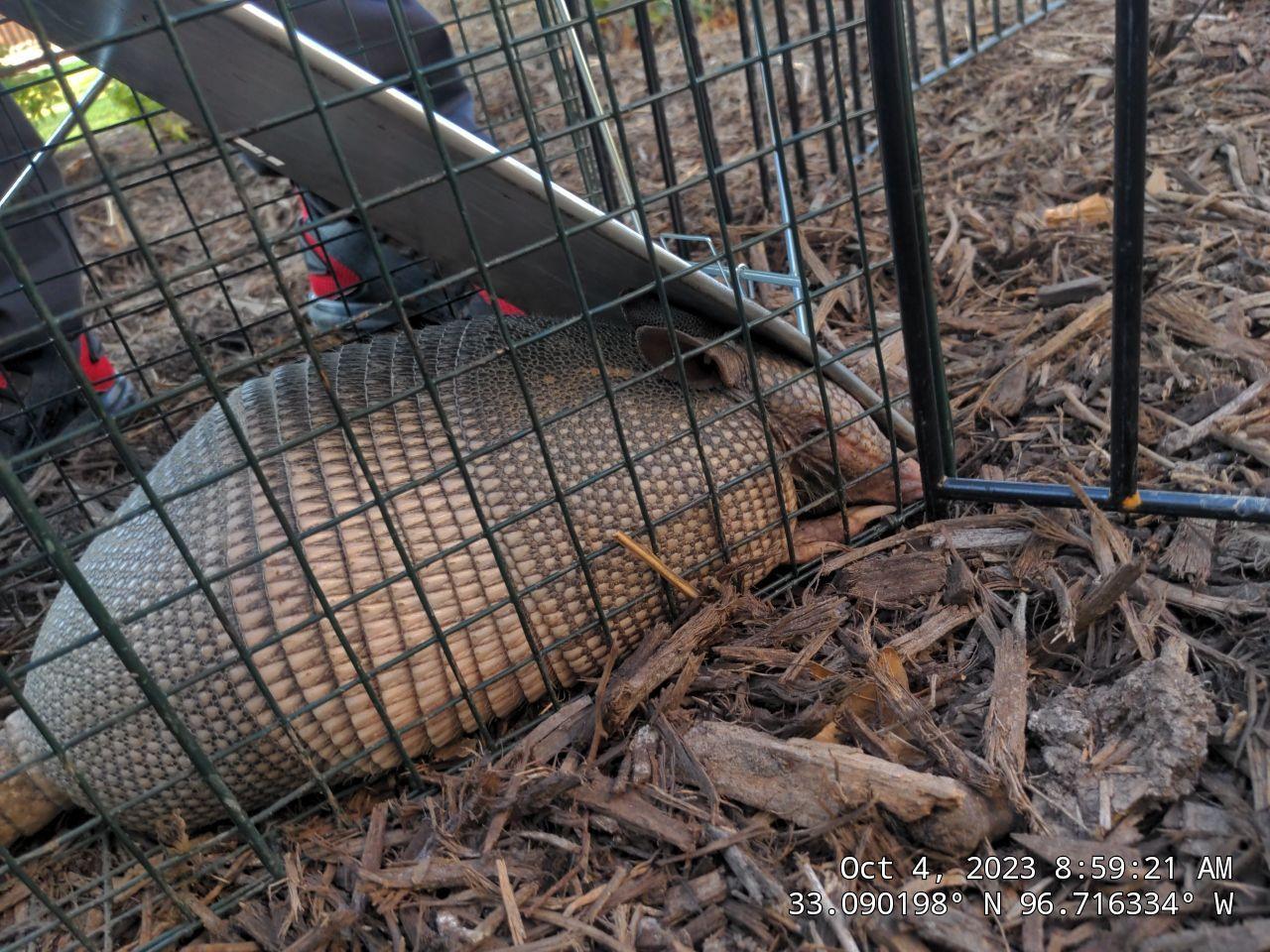
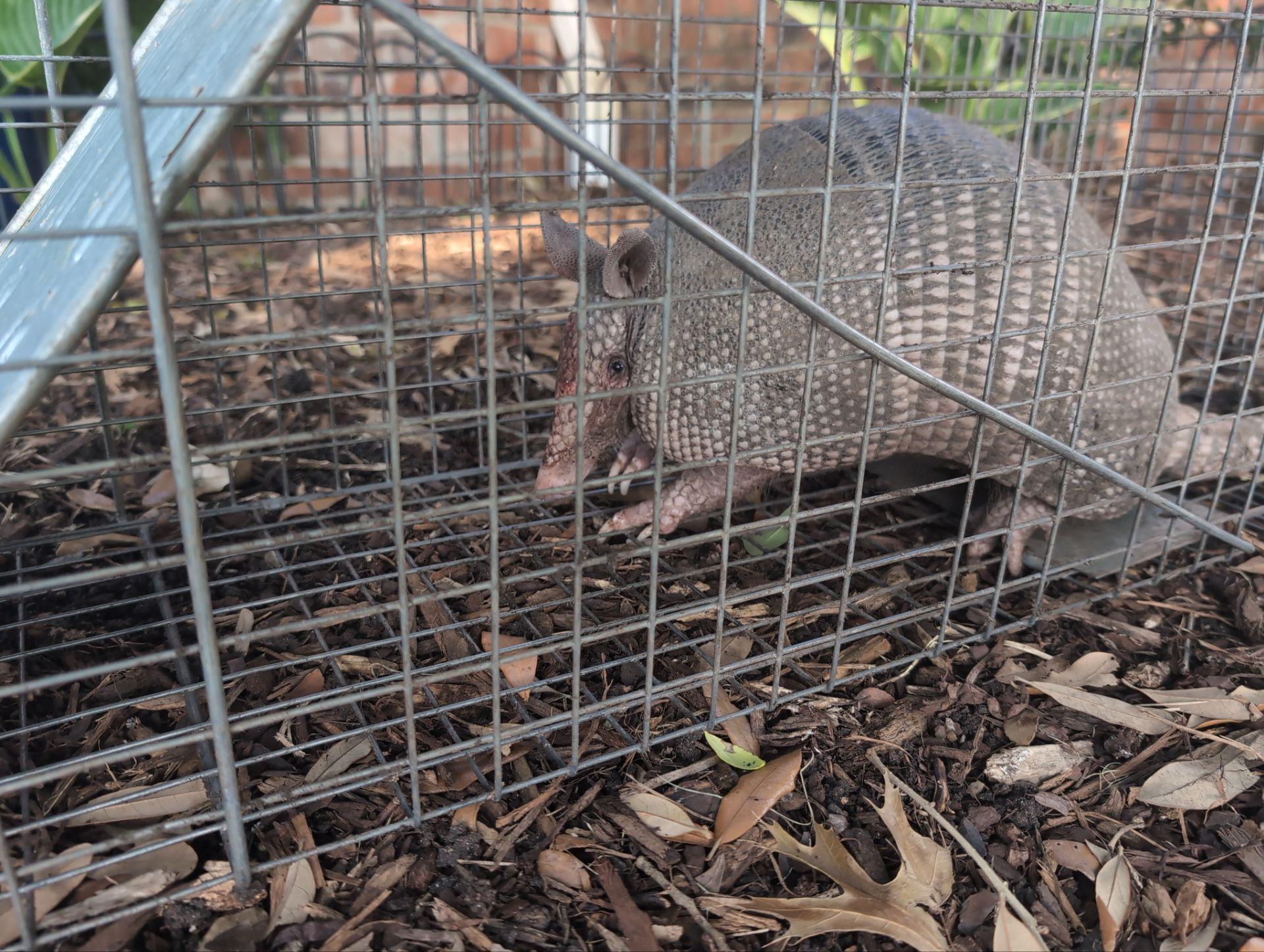
Humane Trapping — Traps are placed strategically along active foraging routes for safe and efficient removal.
Exclusion & Barriers — We install protective barriers around foundations, garden beds, and other target areas to prevent future intrusions.
Prevention Guidance — We advise on lawn and landscaping practices that make your property less attractive to armadillos long-term.
Noticing fresh digging in your yard? Contact Topper's Wildlife Removal for professional armadillo removal in Garland and the Dallas area — before one armadillo becomes five.