
Understanding Raccoons
The raccoon (Procyon lotor) is one of the most recognizable and adaptable wildlife species in North America. Identified by their distinctive black facial mask and ringed tail, raccoons are highly intelligent animals that have thrived alongside human development — making suburban and urban environments like the Dallas area some of their most common habitats. Far from being shy or elusive, raccoons are bold, resourceful, and fully capable of turning a home into a den site if given the opportunity.
Biology & Reproduction
Raccoon breeding season runs from January through March, with females giving birth after a gestation period of approximately 63 days. This means most litters arrive between late March and May, making late winter and early spring the most critical window for raccoon intrusion activity.
A typical litter consists of two to five young, known as kits. Kits are born blind and helpless, making the security and warmth of the den site critically important to the mother. Once born, the young remain with their mother for several months — meaning a raccoon that has successfully denned inside your home will be difficult to dislodge without professional intervention.
Behavior & Habitat
Raccoons are nocturnal animals, most active between dusk and dawn. They are opportunistic omnivores, feeding on a remarkably wide range of food sources including fruits, nuts, insects, eggs, small animals, garden produce, and household trash. This dietary flexibility is a large part of what makes them so successful in suburban environments.
What sets raccoons apart from most other nuisance wildlife is their intelligence and manual dexterity. Their front paws function almost like hands, allowing them to manipulate latches, pry open vents, tear back shingles, and remove loosely secured covers. Many standard barriers that would deter other animals are simply a puzzle for a motivated raccoon to solve.
As breeding season approaches in late winter, male raccoons begin roaming significantly larger territories in search of mates. This is when homeowners often notice increased activity around trash bins, crawlspaces, and the exterior of their homes. Females, meanwhile, shift their focus entirely toward finding a safe, warm, enclosed space to give birth — and attics, chimneys, soffits, and wall voids are among their preferred choices.
Why Raccoons Target Your Home
From a raccoon's perspective, your attic is an ideal den site. It is elevated and protected from predators, warm and insulated, dry, and largely undisturbed. A female preparing to give birth is highly motivated to secure a location that meets these criteria — and she is physically capable of creating or expanding entry points to get there.
Common signs that a raccoon has entered your home include:
Heavy thumping or rolling sounds in the ceiling or walls, particularly at night
Vocalizations such as chittering, growling, or crying sounds — especially if young are present
Visible damage to soffits, roof edges, vents, or fascia boards
Tracks or droppings near the roofline or around the base of the home
Strong odor coming from the attic or crawlspace
Because raccoons are strong and persistent, damage can escalate quickly. Insulation is frequently destroyed or contaminated, wiring can be chewed, and structural materials are often compromised in active den sites.
A Note on Health & Safety
Raccoons are one of the primary carriers of rabies in the United States and are also associated with raccoon roundworm (Baylisascaris procyonis), a parasite found in their feces that can pose serious health risks to humans and pets. Raccoon latrines — areas where they repeatedly deposit waste — should never be handled without proper protective equipment.
A mother raccoon with young is also highly protective and can become aggressive if she feels her kits are threatened. This is one of several important reasons why raccoon removal should always be handled by a trained wildlife professional.
How Topper's Wildlife Removal Can Help
If you're hearing sounds in your attic or noticing signs of raccoon activity around your home, early action is essential. Once a female has given birth inside your home, removal becomes significantly more complex and time-sensitive.
At Topper's Wildlife Removal, we serve homeowners throughout Garland, TX and the greater Dallas area with thorough, humane raccoon removal:
Comprehensive Inspection — We locate all active entry points, assess the extent of den activity, and determine whether young are present.
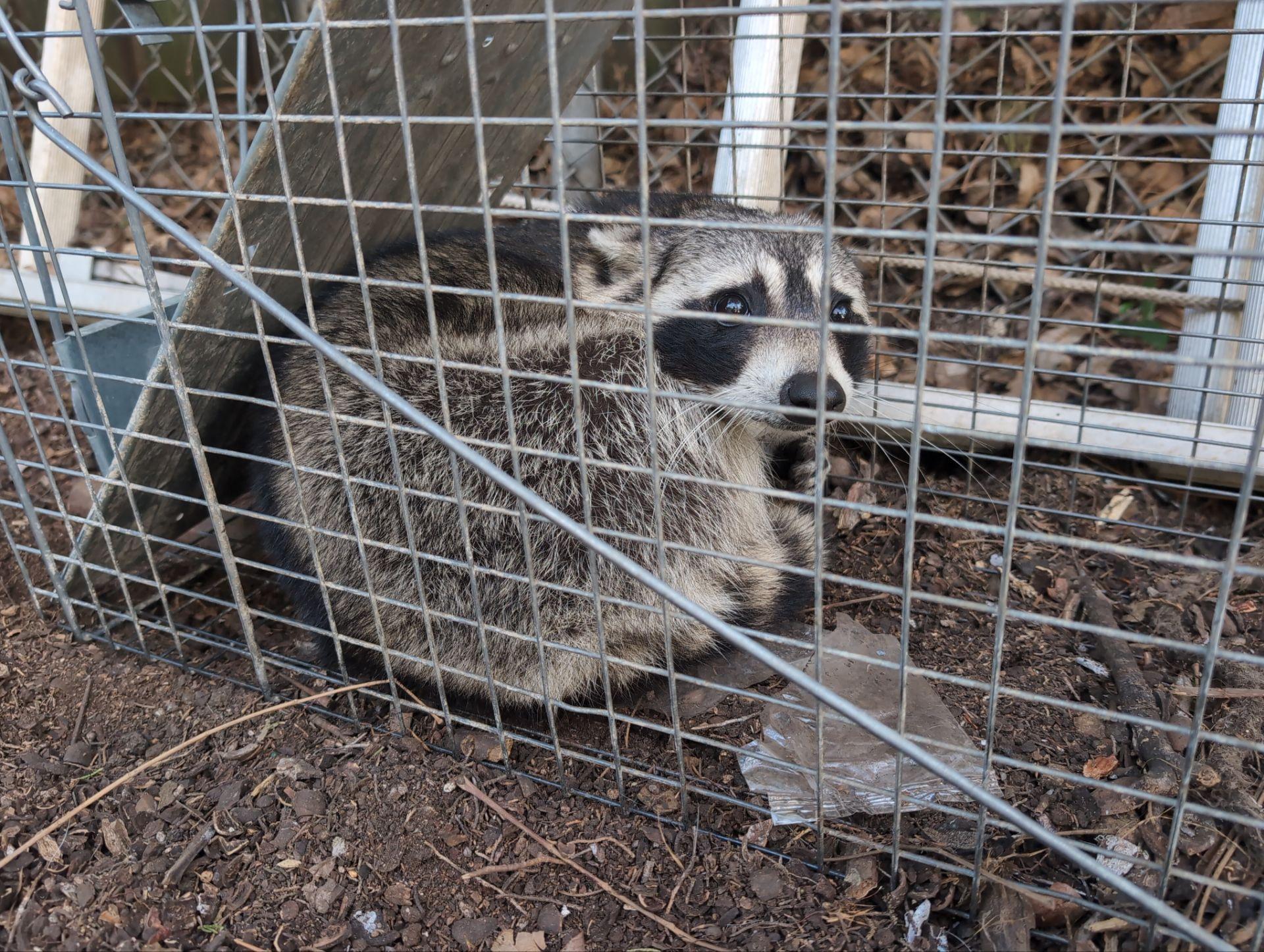
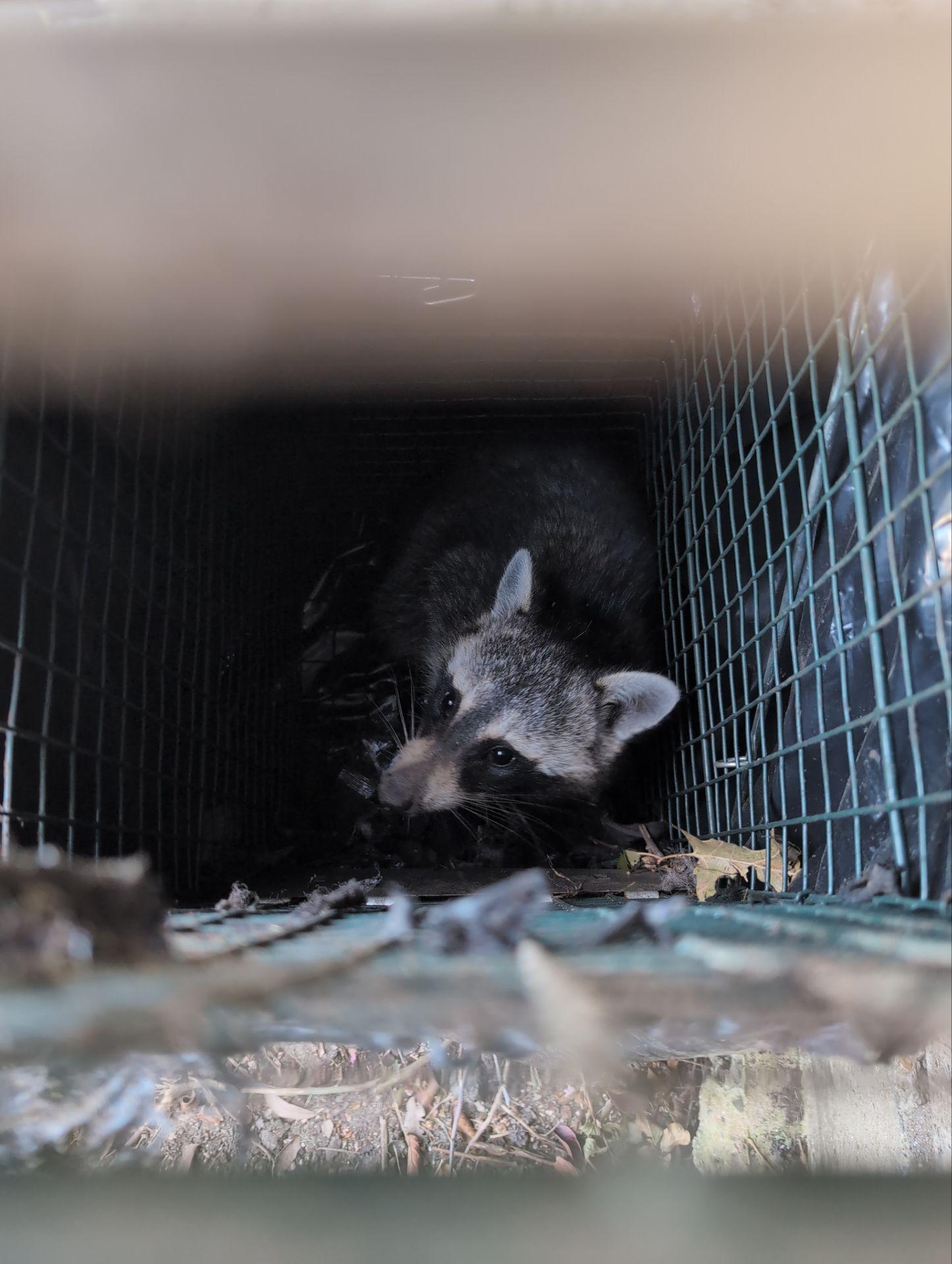
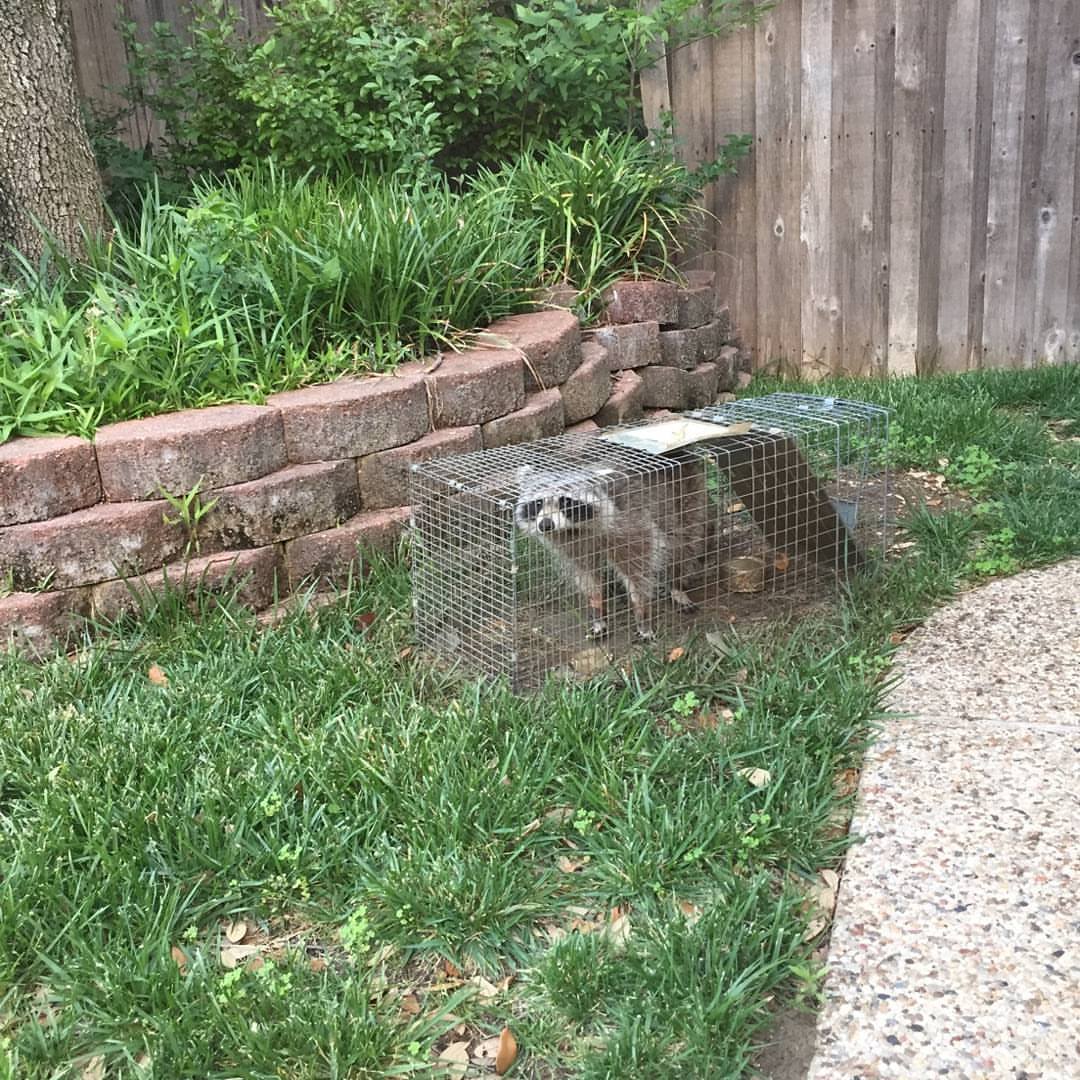
Humane Trapping & Removal — We use strategic trapping methods tailored to the situation, including special protocols when kits are involved.
Exclusion Work — Once all animals are removed, we seal entry points using professional-grade materials designed to withstand future intrusion attempts.
Attic Remediation Guidance — We assess contamination and damage and advise on next steps for cleanup and restoration.
Prevention Advice — We provide recommendations on securing trash, eliminating attractants, and protecting vulnerable areas of your home year-round.
Hearing heavy movement or vocalizations in your ceiling? Don't wait — contact Topper's Wildlife Removal for professional raccoon removal in Garland and the greater Dallas area before a temporary visitor becomes a permanent resident.